

Introduction
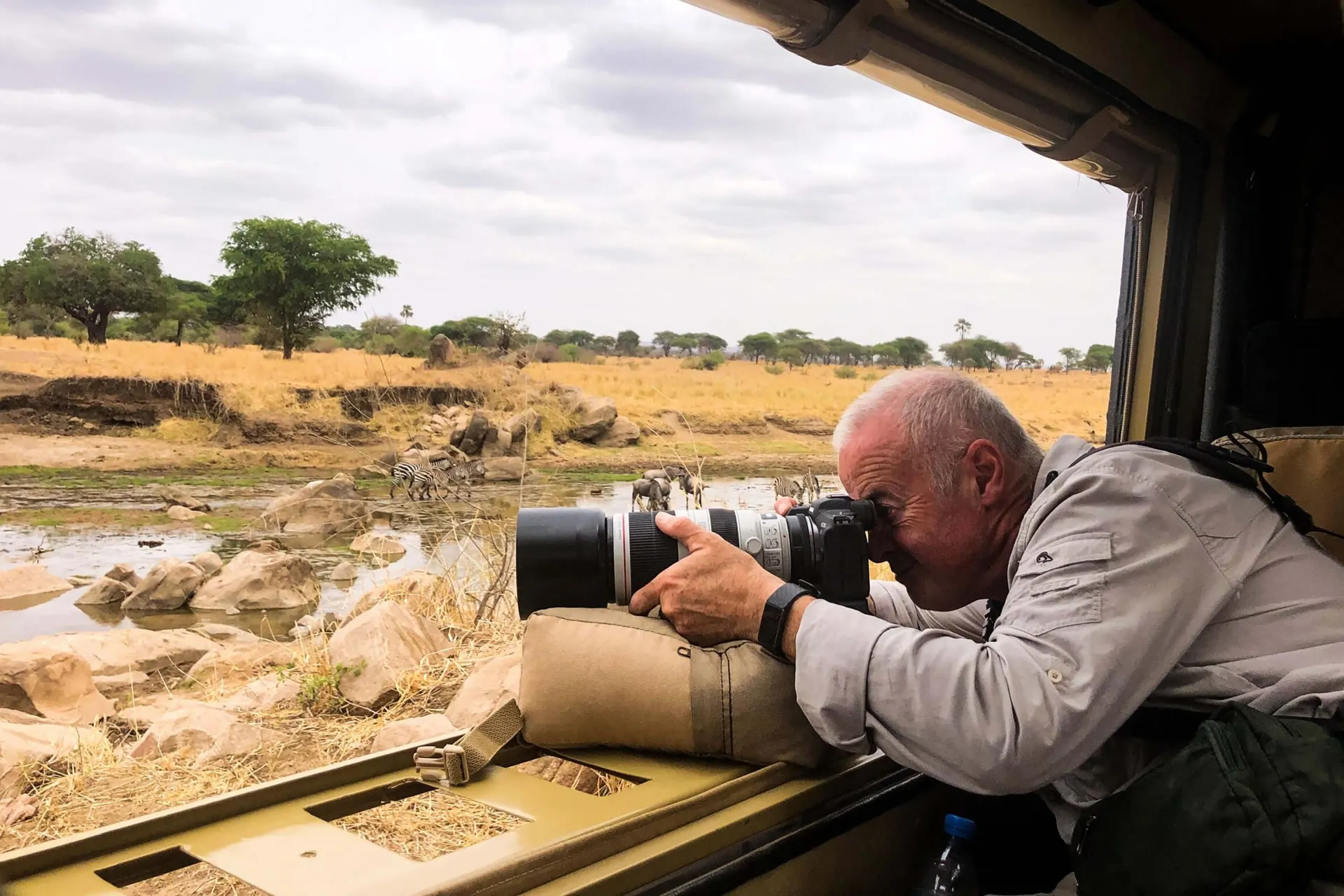
There are few places in the world where wildlife photography feels as exciting and rewarding as it does in Tanzania. Home to some of Africa’s most famous national parks, breathtaking landscapes, and an incredible diversity of wildlife, Tanzania offers photographers endless opportunities to capture unforgettable moments in nature. Whether you’re hoping to photograph a lion resting beneath an acacia tree, a herd of elephants crossing the savannah, or the dramatic Great Wildebeest Migration, every game drive presents a new opportunity to create stunning images.
A Tanzania photo safari is about much more than simply taking pictures of animals. It is about understanding wildlife behavior, anticipating the perfect moment, using natural light effectively, and telling a story through every photograph. Unlike traditional sightseeing, photography safaris encourage travelers to slow down, observe carefully, and appreciate every detail of the African wilderness.
The beauty of Tanzania is that it offers incredible opportunities for photographers of every skill level. Whether you’re carrying a professional DSLR with telephoto lenses or simply using a modern smartphone, the country’s spectacular wildlife, dramatic landscapes, and golden African light provide the perfect setting for unforgettable images.
In this guide, you’ll discover practical tips to improve your wildlife photography safari, learn where to capture the best images, understand the importance of timing and equipment, and see why Tanzania continues to be one of the world’s greatest destinations for nature photographers.
Why Tanzania Is a Photographer’s Dream Destination
When photographers plan an African adventure, Tanzania consistently ranks among the top destinations. Its vast protected wilderness, remarkable biodiversity, and diverse ecosystems make it one of the finest places on Earth for wildlife photography.
Unlike many destinations where wildlife is scattered across small reserves, Tanzania’s national parks allow animals to roam freely across enormous natural landscapes. This creates authentic scenes that showcase wildlife exactly as nature intended, making every safari photograph feel genuine and unique.
The country’s variety of habitats also provides incredible photographic diversity. During a single safari, you may capture elephants walking beneath ancient baobab trees in Tarangire National Park, lions resting on the endless plains of the Serengeti, flamingos reflected in the waters of Lake Manyara, or black rhinos grazing inside the spectacular Ngorongoro Crater.
Changing landscapes, seasonal migrations, dramatic skies, and beautiful natural light ensure that no two game drives are ever the same. Every sunrise, every sunset, and every wildlife encounter creates new opportunities for extraordinary photography.
For both amateur and professional photographers, Tanzania offers an endless source of inspiration and unforgettable moments behind the camera.
Why Choose a Tanzania Photo Safari?
A regular safari allows you to enjoy incredible wildlife sightings, but a dedicated Tanzania photo safari takes the experience to another level. These specialized safaris are designed with photographers in mind, giving you more time at wildlife sightings, flexible schedules, and guides who understand the needs of photography enthusiasts.
Instead of rushing from one sighting to another, photography-focused safaris allow visitors to wait patiently for the perfect lighting, animal behavior, or composition. Guides position the safari vehicle carefully to minimize harsh sunlight and provide the best possible viewing angles while ensuring wildlife remains undisturbed.
Many professional photographers agree that patience is one of the most valuable skills on safari. Waiting quietly often rewards photographers with extraordinary moments such as lions interacting with their cubs, elephants bathing in rivers, or cheetahs scanning the horizon before a hunt.
Another advantage of a wildlife photography safari is the opportunity to photograph animals behaving naturally. Because experienced guides understand wildlife habits, they can often anticipate where predators may appear, when elephants gather at waterholes, or where birds are most active throughout the day.
The result is a collection of photographs that not only capture animals but also tell compelling stories about life in the African wilderness.
Best National Parks for Wildlife Photography
One of the greatest advantages of planning a Tanzania photo safari is the incredible variety of national parks available. Each destination offers unique landscapes, different wildlife species, and distinctive photographic opportunities that appeal to photographers with different interests.
Serengeti National Park
No destination is more closely associated with African wildlife than the Serengeti. For anyone interested in Serengeti photography, this legendary national park offers endless opportunities to capture some of the world’s most iconic wildlife scenes.
Stretching across vast open plains, the Serengeti is home to lions, leopards, cheetahs, elephants, giraffes, hyenas, zebras, buffaloes, wildebeests, and hundreds of bird species. It is also the stage for the world-famous Great Wildebeest Migration, where more than two million animals move across the ecosystem in search of fresh grazing.
For photographers, the Serengeti provides dramatic landscapes, golden grasslands, acacia trees, colorful sunsets, and exceptional predator action. Whether you’re photographing a lion silhouetted against the evening sky or thousands of wildebeest crossing a river, every day offers remarkable opportunities for unforgettable images.
Ngorongoro Crater
The Ngorongoro Crater is one of the best places in Africa to photograph the Big Five. Because wildlife remains inside the crater throughout the year, photographers enjoy excellent chances of capturing elephants, buffaloes, lions, black rhinos, and occasionally leopards within a single game drive.
The crater’s dramatic volcanic walls provide a spectacular backdrop for wildlife photography, creating compositions that are difficult to replicate anywhere else in Africa.
Morning light often produces beautiful mist rising across the crater floor, adding atmosphere and depth to landscape and wildlife photographs.
Tarangire National Park
Tarangire National Park is particularly famous for its enormous elephant herds and iconic baobab trees. During the dry season, animals gather around the Tarangire River, creating exceptional opportunities for close-up wildlife photography.
Photographers often capture dramatic scenes of elephants interacting with one another, giraffes feeding beneath towering trees, and colorful birds perched against stunning African landscapes.
Tarangire is also less crowded than some of Tanzania’s larger parks, allowing photographers more freedom to compose images without numerous safari vehicles in the background.
Lake Manyara National Park
Although smaller than other parks, Lake Manyara offers incredible photographic diversity. Dense forests, open grasslands, lakeshore habitats, and abundant birdlife make it an exciting destination for nature photographers.
The park is well known for its tree-climbing lions, large troops of baboons, hippos, flamingos, pelicans, and hundreds of bird species. Photographers interested in both wildlife and landscapes will find endless creative opportunities throughout the park.
The changing scenery also makes Lake Manyara an excellent location for experimenting with different photography styles, from close-up wildlife portraits to wide landscape compositions.
Understanding Animal Behavior Improves Your Photography
One of the biggest differences between an average wildlife photograph and an extraordinary one is understanding animal behavior. Great photographers don’t simply react to what they see—they learn to anticipate what animals are likely to do next.
Watching body language, listening to alarm calls from birds or monkeys, and observing interactions between different species can help photographers prepare for the perfect shot before it happens.
For example, a lion lifting its head and staring into the distance may be preparing to move, giving photographers time to adjust their camera settings. Birds suddenly becoming silent can indicate that a predator is nearby, while elephants flapping their ears or gathering together often signal interesting social interactions.
Experienced safari guides understand these subtle behaviors and can position the vehicle in anticipation of remarkable wildlife moments. This is one of the greatest advantages of choosing a professional wildlife photography safari, where guides work closely with photographers to maximize opportunities without disturbing the animals.
Learning to observe patiently rather than constantly searching for action often results in more natural, emotional, and memorable safari photographs.
Best Time for a Tanzania Photo Safari
One of the biggest factors that influences the quality of your wildlife photographs is timing. While Tanzania offers spectacular wildlife throughout the year, different seasons provide different photographic opportunities. Choosing the right time to visit can help you capture dramatic animal behavior, beautiful landscapes, and the iconic moments that make an unforgettable Tanzania photo safari.
The dry season, from June to October, is widely considered the best time for a wildlife photography safari. During these months, vegetation becomes thinner and animals gather around rivers, lakes, and waterholes, making wildlife easier to locate and photograph. Clear skies, pleasant temperatures, and excellent visibility also create ideal lighting conditions for both beginners and professional photographers.
From January to March, the southern Serengeti becomes one of Africa’s most exciting photography destinations during the wildebeest calving season. Thousands of newborn calves arrive within a few weeks, attracting lions, cheetahs, hyenas, and leopards. This period provides outstanding opportunities to capture predator-prey interactions, family groups, and the incredible cycle of life that defines the Serengeti ecosystem.
The green season, usually from November to December, offers a completely different style of photography. Rain transforms the landscape into lush green plains filled with colorful wildflowers, dramatic storm clouds, and beautiful reflections. Migratory birds also arrive during this season, making it an excellent time for bird photography. Although wildlife can sometimes be more dispersed, photographers often enjoy fewer vehicles and more peaceful game drives.
Regardless of when you visit, Tanzania always offers incredible photographic opportunities. Every season tells a different story, allowing photographers to capture unique moments that reflect the changing rhythms of nature.
Essential Camera Equipment for Wildlife Photography
Preparing the right equipment is just as important as choosing the perfect destination. Fortunately, you don’t need the most expensive camera to capture amazing wildlife images. Understanding your equipment and using it effectively matters far more than owning professional gear.
For photographers using DSLR or mirrorless cameras, a telephoto lens between 100–400mm, 150–600mm, or 200–600mm is ideal for photographing wildlife from a safe distance. These lenses allow you to capture detailed portraits of lions, elephants, leopards, and birds without disturbing the animals.
A wide-angle lens is also worth bringing. Tanzania’s sweeping landscapes, dramatic skies, and iconic acacia trees create breathtaking scenery that deserves to be photographed. Wide-angle lenses are perfect for sunrise, sunset, campsites, and panoramic views across the Serengeti or Ngorongoro Crater.
Don’t forget extra memory cards and spare batteries. Long game drives often last an entire day, and charging opportunities may be limited in remote safari camps. Having sufficient storage and power ensures you never miss an unforgettable wildlife encounter.
Other useful accessories include:
-
A bean bag for stabilizing your camera on the safari vehicle.
-
Lens cleaning cloths to remove dust.
-
Rain protection for unexpected weather.
-
A lightweight camera backpack.
-
Extra batteries and chargers.
-
A portable hard drive for backing up photos.
Being well prepared allows you to focus entirely on enjoying your Tanzania photo safari.
Camera Settings for Better Wildlife Photos
Understanding basic camera settings can dramatically improve your wildlife images.
Fast-moving animals such as cheetahs, birds, or running wildebeest require a fast shutter speed, generally around 1/1000 second or faster, to freeze the action sharply.
For slower subjects like elephants or giraffes, slightly lower shutter speeds often work well while maintaining image quality.
Continuous autofocus (AI Servo or AF-C mode) helps your camera track moving wildlife more accurately, especially during action sequences.
Burst shooting mode is another valuable feature. Instead of taking a single photograph, your camera captures multiple images every second, increasing your chances of capturing the perfect expression, movement, or interaction.
Whenever possible, photograph in RAW format rather than JPEG. RAW files preserve much more image data, allowing greater flexibility when editing exposure, colors, and shadows after your safari.
These simple adjustments can make a significant difference in the quality of your safari photographs.
Composition Tips for Stunning Safari Photographs
A technically sharp photograph is only part of the story. Strong composition transforms an ordinary wildlife image into one that captures emotion and tells a compelling story.
Instead of placing every animal directly in the center of the frame, use the rule of thirds to create more balanced and visually interesting compositions.
Look for natural frames such as tree branches, tall grass, or dramatic clouds that help direct attention toward your subject.
Including part of the surrounding landscape often creates a stronger sense of place. A lion surrounded by endless Serengeti plains tells a much richer story than a tightly cropped portrait with no environmental context.
Try photographing from different angles whenever possible. Eye-level images often feel more intimate and engaging, while wider compositions can emphasize the scale of Tanzania’s spectacular landscapes.
Patience also plays a huge role. Waiting just a few extra minutes may reward you with a lion yawning, an elephant spraying water, or two giraffes interacting naturally—moments that bring your photographs to life.
Photographing the Big Five
For many visitors, photographing the Big Five is one of the main goals of a wildlife photography safari. While simply seeing these iconic animals is exciting, capturing memorable photographs requires patience, observation, and careful timing.
Lions
Lions are most active during the early morning and late afternoon. Look for interactions between pride members rather than only individual portraits. Cubs playing, lions grooming one another, or a pride walking together often create far more engaging images.
Elephants
Elephants are wonderful photography subjects because of their strong family bonds and expressive behavior. Watch for calves walking beneath their mothers, playful interactions at waterholes, or dramatic silhouettes during sunset.
Leopards
Leopards can be challenging to photograph because they often rest in trees or remain hidden in dense vegetation. A patient guide with excellent tracking skills can make all the difference when searching for these elusive cats.
Buffaloes
African buffalo may appear calm, but they often create powerful compositions, particularly when photographed in large herds against dramatic skies or dusty landscapes.
Black Rhinos
The endangered black rhino is one of Tanzania’s rarest safari sightings. If you’re fortunate enough to encounter one, remain patient and avoid rushing your photographs. A respectful distance combined with careful composition often produces remarkable images.
Use Tanzania’s Beautiful Light
Light is one of the most important elements of photography. Fortunately, Tanzania provides some of the most beautiful natural lighting anywhere in Africa.
The golden hours—shortly after sunrise and before sunset—offer warm, soft light that enhances colors and creates beautiful shadows. Wildlife appears more vibrant, landscapes become richer, and photographs feel more dramatic.
Midday sunlight can be harsh, creating strong shadows and high contrast. During these hours, focus on close-up portraits, black-and-white photography, or subjects located in softer light.
Cloudy days should not be overlooked either. Overcast conditions produce softer, even lighting that works particularly well for photographing birds, elephants, and detailed animal portraits.
Learning to work with natural light will greatly improve every Serengeti photography session and help create more professional-looking images.
Photographing Birds and Tanzania’s Incredible Landscapes
While many photographers visit Tanzania hoping to capture lions, elephants, and the Great Migration, the country offers far more than the famous Big Five. A successful Tanzania photo safari is also an opportunity to photograph colorful birds, breathtaking landscapes, dramatic skies, and the smaller details that make the African wilderness so extraordinary.
Tanzania is home to more than 1,100 bird species, making it one of Africa’s premier birdwatching and bird photography destinations. From the vibrant lilac-breasted roller and colorful bee-eaters to majestic fish eagles, flamingos, hornbills, kingfishers, and ostriches, every national park offers incredible opportunities for bird photography.
Bird photography requires patience, quick camera settings, and careful observation. Fast shutter speeds help freeze movement, while continuous autofocus makes it easier to capture birds in flight. Early mornings are often the most productive time, as birds are highly active and the soft golden light creates beautiful colors and natural contrast.
Landscape photography is equally rewarding during a wildlife photography safari. Tanzania’s endless savannahs, giant baobab trees, volcanic craters, winding rivers, and dramatic mountain ranges provide spectacular scenery throughout the day. Rather than focusing only on animals, take time to capture wide-angle images that showcase the scale and beauty of the country’s diverse landscapes.
Some of the most memorable safari photographs combine wildlife with the surrounding environment. An elephant walking beneath a massive baobab tree, a giraffe silhouetted against an African sunset, or a lone acacia tree standing proudly on the Serengeti plains often tells a stronger story than a close-up portrait alone.
Ethical Wildlife Photography Matters
One of the most important responsibilities of every wildlife photographer is respecting the animals and their natural habitat. Great photographs should never come at the expense of wildlife welfare.
Professional guides and responsible safari operators always maintain a safe and respectful distance from animals. This allows wildlife to behave naturally without feeling threatened or disturbed. Patience is often rewarded with far more authentic photographs than trying to force a close encounter.
Avoid asking guides to drive off established tracks simply to get a better angle. National parks have strict conservation regulations designed to protect fragile ecosystems, and responsible photographers should always support these rules.
Never make loud noises, attempt to attract animals, or encourage unsafe behavior simply to capture a dramatic image. Ethical safari photographs reflect genuine wildlife behavior and contribute to conservation by promoting respect for nature.
Responsible photography not only protects Tanzania’s incredible wildlife but also ensures that future generations can enjoy the same remarkable experiences.
Common Wildlife Photography Mistakes to Avoid
Even experienced photographers continue learning every time they visit Tanzania. Being aware of common mistakes can significantly improve your results during a Tanzania photo safari.
One of the biggest mistakes is photographing every animal from the same angle. Try varying your compositions by including landscapes, changing focal lengths, and waiting for interesting animal behavior instead of taking the first available shot.
Another common mistake is shooting only close-up portraits. While detailed images are beautiful, environmental photographs showing animals within their natural habitat often tell a much richer story.
Many beginners also overlook lighting. Harsh midday sunlight can reduce image quality, while the warm light shortly after sunrise or before sunset creates softer colors, longer shadows, and more dramatic scenes.
Photographers sometimes become so focused on large mammals that they ignore smaller subjects such as birds, insects, reptiles, flowers, and unique plants. These often become some of the most interesting and creative photographs from the entire safari.
Finally, remember that patience is one of the greatest tools any wildlife photographer can possess. Spending extra time observing a single animal frequently results in far more memorable images than constantly moving from one sighting to another.
Why Experienced Local Guides Help You Capture Better Wildlife Photos
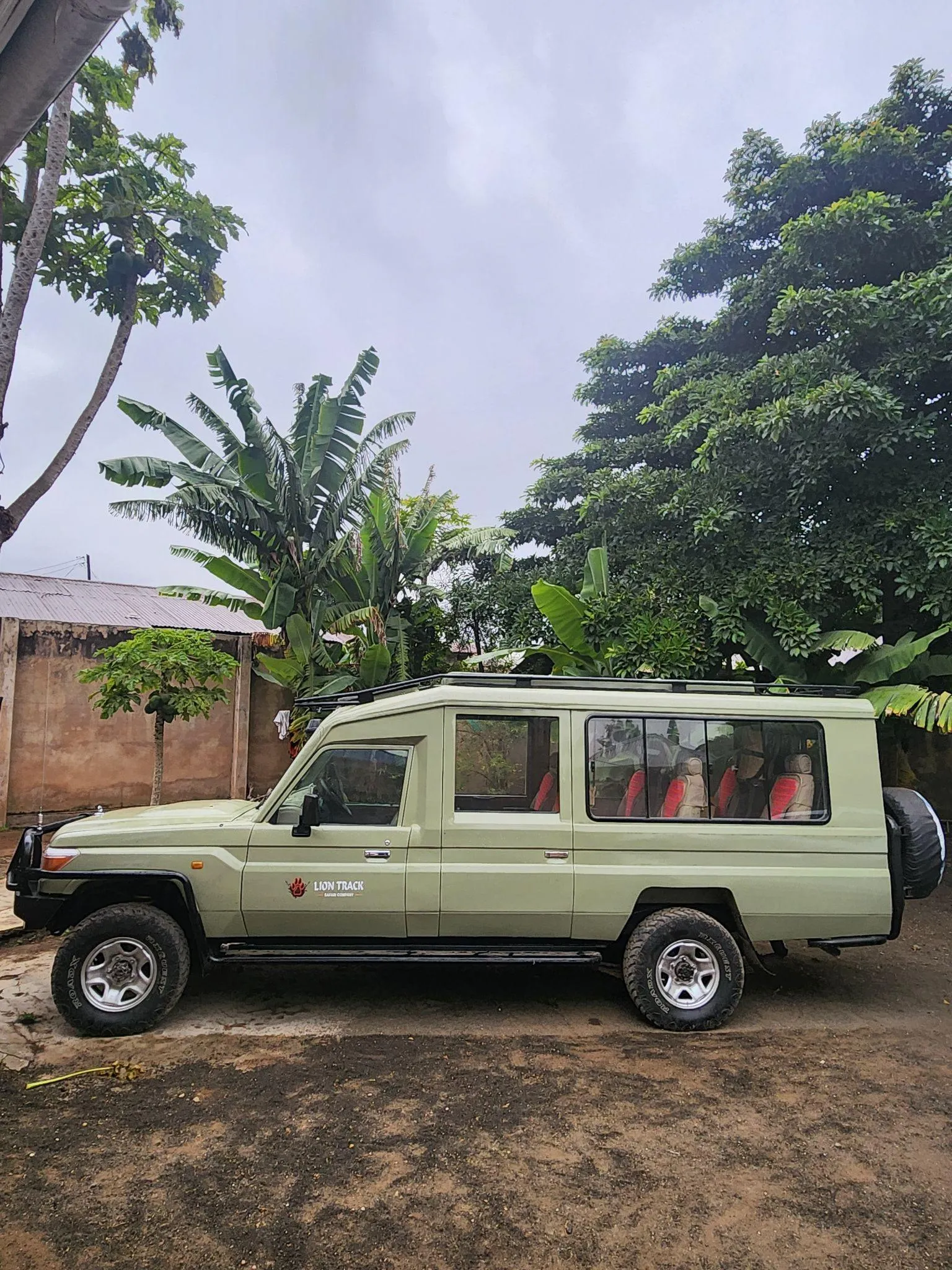
One of the biggest advantages of choosing a professional wildlife photography safari is the expertise of experienced local guides. Their knowledge often makes the difference between returning home with ordinary photographs and capturing truly extraordinary wildlife moments.
Local guides spend hundreds of days every year inside Tanzania’s national parks. They understand seasonal wildlife movements, animal behavior, and the best locations for photography throughout the day. Many also communicate with other guides to locate exciting wildlife sightings while ensuring responsible viewing practices.
A knowledgeable guide knows how to position the safari vehicle to take advantage of natural light, avoid distracting backgrounds, and provide photographers with clear viewing angles. They also understand when to remain patient, allowing animals to behave naturally and creating opportunities for authentic photographs that cannot be planned.
Their expertise is especially valuable during Serengeti photography, where understanding migration patterns, predator movements, and changing weather conditions can dramatically improve photographic opportunities.
Capture Tanzania’s Beauty with Lion Track Safari Company
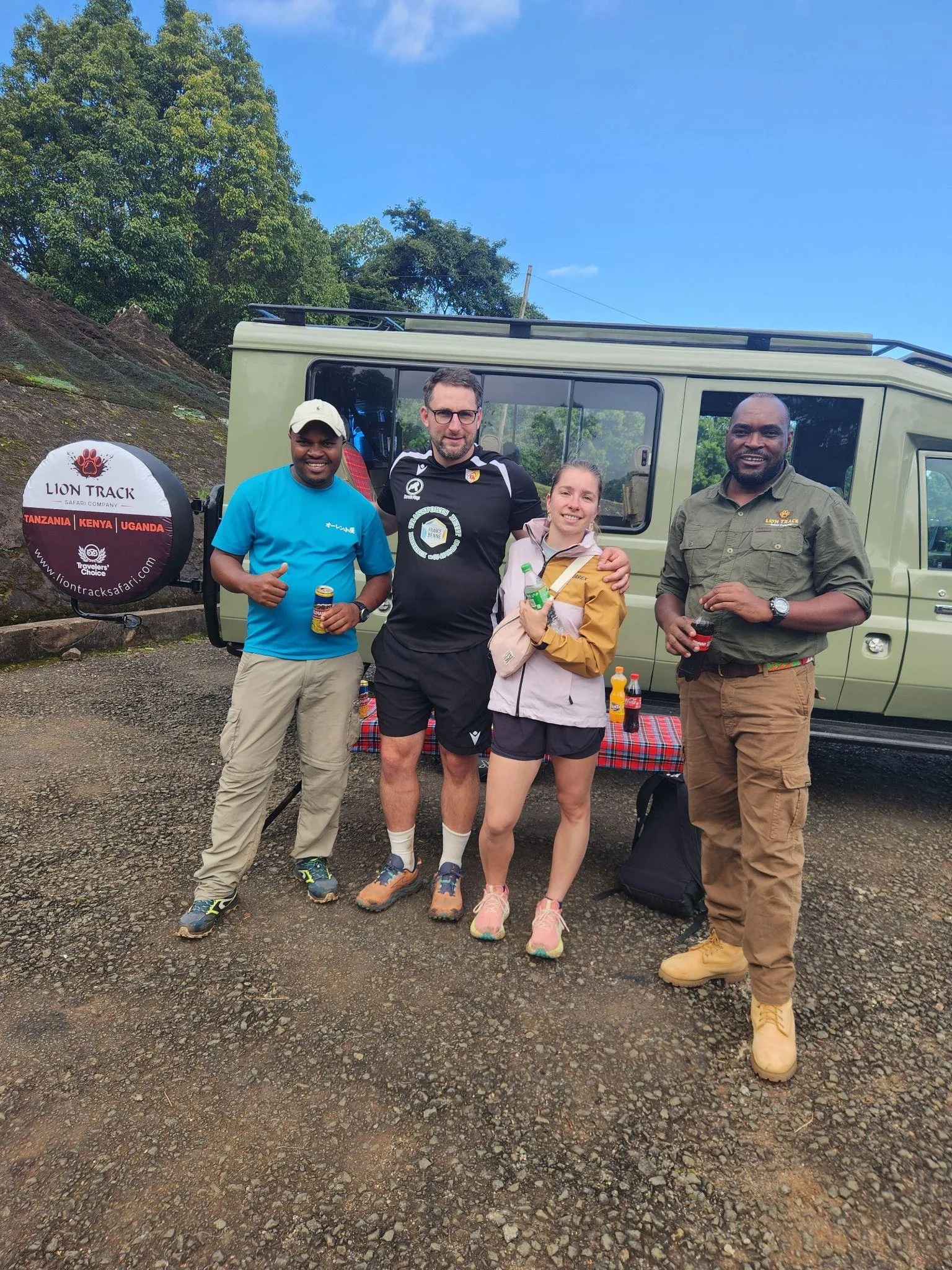
If your dream is to return home with breathtaking wildlife photographs and unforgettable memories, Lion Track Safari Company offers professionally guided Tanzania photo safari experiences designed for photographers of every skill level.
With experienced local guides, customized safari itineraries, and in-depth knowledge of Tanzania’s most photogenic destinations, Lion Track Safari Company helps travelers capture extraordinary moments throughout Serengeti National Park, Ngorongoro Crater, Tarangire National Park, Lake Manyara National Park, and many other spectacular wildlife areas.
Whether your goal is photographing the Great Wildebeest Migration, capturing dramatic predator action, creating stunning Serengeti photography, or simply improving your wildlife photography skills, the team understands how to position you in the right place at the right time.
Beyond photography, Lion Track Safari Company offers tailor-made safari holidays, Mount Kilimanjaro trekking adventures, cultural experiences, family safaris, honeymoon packages, and Zanzibar beach holidays. Every itinerary is thoughtfully designed to provide authentic experiences, exceptional service, and unforgettable memories while promoting responsible tourism and wildlife conservation.
When you travel with experienced local experts, you’re not only investing in a better safari—you are supporting local communities and helping preserve Tanzania’s extraordinary natural heritage.
Conclusion
Tanzania is more than just a safari destination—it is one of the world’s greatest outdoor photography studios. From the endless plains of the Serengeti and the breathtaking Ngorongoro Crater to the elephant-filled landscapes of Tarangire and the vibrant birdlife of Lake Manyara, every destination offers remarkable opportunities to create unforgettable images.
A successful Tanzania photo safari is about much more than owning expensive equipment. Patience, observation, ethical photography, understanding wildlife behavior, and traveling with experienced local guides all contribute to capturing photographs that tell meaningful stories.
Whether you’re photographing the Big Five, colorful birds, dramatic landscapes, or the spectacular Great Wildebeest Migration, every game drive presents a new opportunity to improve your skills and deepen your appreciation for Africa’s incredible wildlife.
By choosing a trusted local operator like Lion Track Safari Company, you’ll enjoy expertly planned safari experiences, knowledgeable guides, and access to Tanzania’s most iconic photography locations. With the right preparation and guidance, your wildlife photography safari will leave you with stunning images and memories that will last a lifetime.