

For many travelers, Everest Base Camp is the dream. For those who want more than a trek, adding a summit makes the dream bigger. Everest Base Camp Trekking and Island Peak Climbing combines two of Nepal’s most iconic experiences in one expedition: the famous walk to the foot of the world’s highest mountain and a climb of Island Peak, or Imja Tse (6,189 m), one of the country’s most popular trekking peaks. The result is a journey that blends Sherpa culture, spectacular scenery, and real mountaineering.
Overview of the Expedition
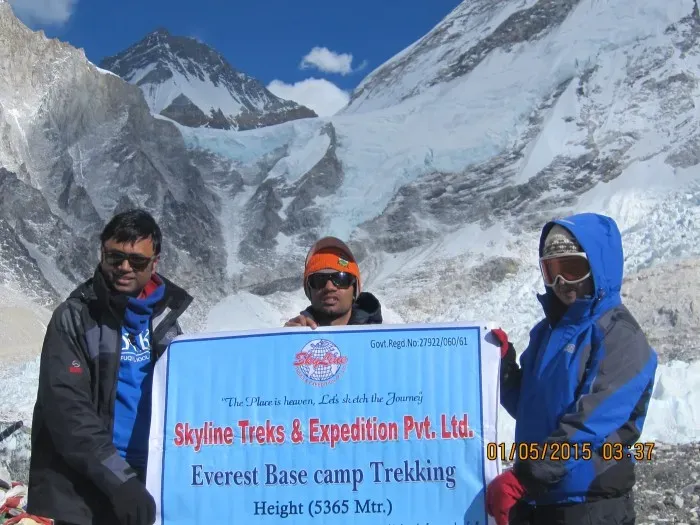
The trip follows the classic Khumbu trail from Lukla through Namche Bazaar, Tengboche, Dingboche, and Lobuche to Everest Base Camp (5,364 m) and the viewpoint of Kala Patthar (5,545 m). From there, climbers return to the Imja valley and head to Chhukung and Island Peak Base Camp for the climb.
Most itineraries run 18 to 22 days, including flights, acclimatization days, and buffer time for weather. The trek portion builds excellent acclimatization, which makes the Island Peak summit attempt safer and more likely to succeed. By the time you reach the climb, you will have spent more than two weeks above 3,500 meters and several nights above 4,500 meters.
Island Peak is classed as a trekking peak by the Nepal Mountaineering Association, but it involves glacier travel, steep snow, and a fixed-rope headwall. It is a good first Himalayan summit for fit, well-prepared trekkers.
Why Combine These Two Adventures?
Built-in acclimatization. The Everest Base Camp trek gradually raises your body to high altitude before the climb. This is far better than going directly to Island Peak from Lukla.
Two goals in one trip. You save on flights, permits, and logistics compared with doing two separate journeys, and you make efficient use of time.
Iconic scenery. The route passes beneath Ama Dablam, Lhotse, Nuptse, Pumori, and Everest, then finishes with a summit that looks straight across at the Lhotse face and the Imja glacial lake.
Cultural depth. You walk through Sherpa villages, visit Tengboche Monastery, and see prayer flags, mani walls, and stupas along the trail. Autumn visits may coincide with local festivals.
Skill building. Island Peak introduces crampon use, ascending on fixed ropes, and glacier travel. These skills prepare you for higher peaks such as Mera, Lobuche East, or larger expeditions.
Sample Itinerary
Exact schedules vary by operator, but a typical plan looks like this.
Kathmandu to Lukla and Phakding. The mountain flight to Lukla (2,860 m) is scenic and short. The first day of walking is gentle, following the Dudh Koshi River to Phakding.
Namche Bazaar (3,440 m). Cross suspension bridges, enter Sagarmatha National Park, and climb to the Sherpa capital. A rest day here allows for acclimatization, with hikes to the Everest View Hotel or the Sherpa Culture Museum.
Tengboche and Dingboche. The trail passes through rhododendron forest to Tengboche Monastery (3,867 m), with a striking view of Ama Dablam. From there, you continue to Dingboche (4,410 m), where another acclimatization day helps prepare for higher altitude.
Lobuche and Gorak Shep. The trail follows the Khumbu Glacier, passing memorials near Thukla Pass. Gorak Shep (5,164 m) is the last settlement before Base Camp.
Everest Base Camp and Kala Patthar. Trek to Base Camp (5,364 m) for close views of the Khumbu Icefall, then climb Kala Patthar at sunrise for the classic panorama of Everest, Nuptse, and Lhotse.
Return to Dingboche and Chhukung. After Everest Base Camp, descend to Dingboche and continue to Chhukung (4,730 m), the last village before Island Peak. This is a good place to check gear and rest.
Island Peak Base Camp (about 5,000 m). A short trek leads to base camp, where the climbing team rehearses rope skills, crampon technique, and safety procedures. Some itineraries continue to a high camp at around 5,600 meters, while others make the summit push directly from base camp.
Island Peak summit day. The climb starts around midnight or in the early morning hours. The route follows a rocky ridge, crosses a glacier, and climbs a steep headwall of about 100 meters, usually protected by fixed ropes. The summit ridge is narrow and exposed, and the descent includes rappelling. The round trip typically takes 8 to 12 hours.
Return to Lukla. After the climb, the team descends through Dingboche, Tengboche, and Namche Bazaar to Lukla, and flies back to Kathmandu.
Difficulty and Fitness Requirements
This is a strenuous, high-altitude expedition. The trek is demanding on its own, and the climb adds technical and physical challenges. Key factors include:
-
Altitude: Several nights above 4,500 m and a summit above 6,000 m.
-
Duration: Nearly three weeks of continuous trekking and climbing.
-
Technical terrain: Glacier travel, steep snow, and fixed-rope sections.
-
Cold and wind: Summit days start in freezing darkness.
You do not need extensive mountaineering experience, but prior trekking at altitude is helpful. Begin training three to four months before departure, with cardio, stair climbing, and long hikes with a loaded pack. Strong legs and good endurance matter more than raw strength. Before the climb, your guides will provide basic training in crampon use, ascender technique, and rope handling.
Best Time to Go
The best seasons are spring (April to May) and autumn (late September to November).
-
Autumn offers stable weather, clear skies, and excellent mountain views, making it the most popular season.
-
Spring brings warmer temperatures, blooming rhododendrons, and longer days, though afternoon clouds can build.
-
Winter is very cold and generally not suitable for the climb.
-
Monsoon (June to August) brings rain, cloud, and unstable conditions, and it is not recommended.
Permits and Regulations
Several permits are needed, all of which a registered agency can arrange:
-
Nepal Mountaineering Association (NMA) climbing permit for Island Peak
-
Sagarmatha National Park permit
-
Khumbu local area permit, which replaced the older TIMS requirement in this region
-
A licensed guide and support staff
Fees and rules change, so confirm current requirements with your operator well before departure. A professional guide is strongly recommended for the climbing section because of crevasses, weather changes, and technical terrain.
Essential Gear
-
Mountaineering boots suitable for crampons
-
Crampons, ice axe, harness, helmet, carabiners, and ascender
-
Insulated down jacket and a sleeping bag rated to at least -20°C
-
Layered clothing, including base layers, fleece, and waterproof shell
-
Warm gloves, hat, balaclava, and glacier sunglasses
-
Trekking poles, headlamp, and water bottles
-
Water purification tablets and a comprehensive medical kit
Technical equipment can usually be rented in Kathmandu, which saves weight and cost.
Acclimatization and Safety
Altitude sickness is the biggest risk. Ascend gradually, drink plenty of fluids, avoid alcohol, and never ignore symptoms such as persistent headache, nausea, dizziness, or breathlessness. Include rest days and be ready to descend if symptoms worsen. Other hazards include crevasses, rockfall, and sudden storms, so a guide who monitors conditions daily is vital. Choose travel insurance that covers helicopter evacuation and mountaineering up to at least 6,200 meters.
Responsible Trekking and Climbing
The Khumbu region is fragile and heavily visited. Carry out all non-biodegradable waste, avoid single-use plastics, and stay on marked trails. Walk clockwise around mani walls and stupas, ask before photographing people, and support family-run lodges. Make sure porters and guides are paid fairly, insured, and properly equipped.
Conclusion
Everest Base Camp Trekking and Island Peak Climbing is one of the most complete adventures in the Himalaya. You walk the famous trail to the foot of Everest, gain the acclimatization needed for a high summit, and finish with a climb that feels like a true step into mountaineering. Along the way you meet Sherpa communities, cross suspension bridges, and see some of the world’s most dramatic mountains up close.
If you have the fitness, the time, and the desire to go beyond a standard trek, this expedition is an outstanding choice. Train well, choose a reputable operator, allow enough days for acclimatization, and respect the mountains. You will return with two major achievements and memories of the Everest region that last a lifetime.