

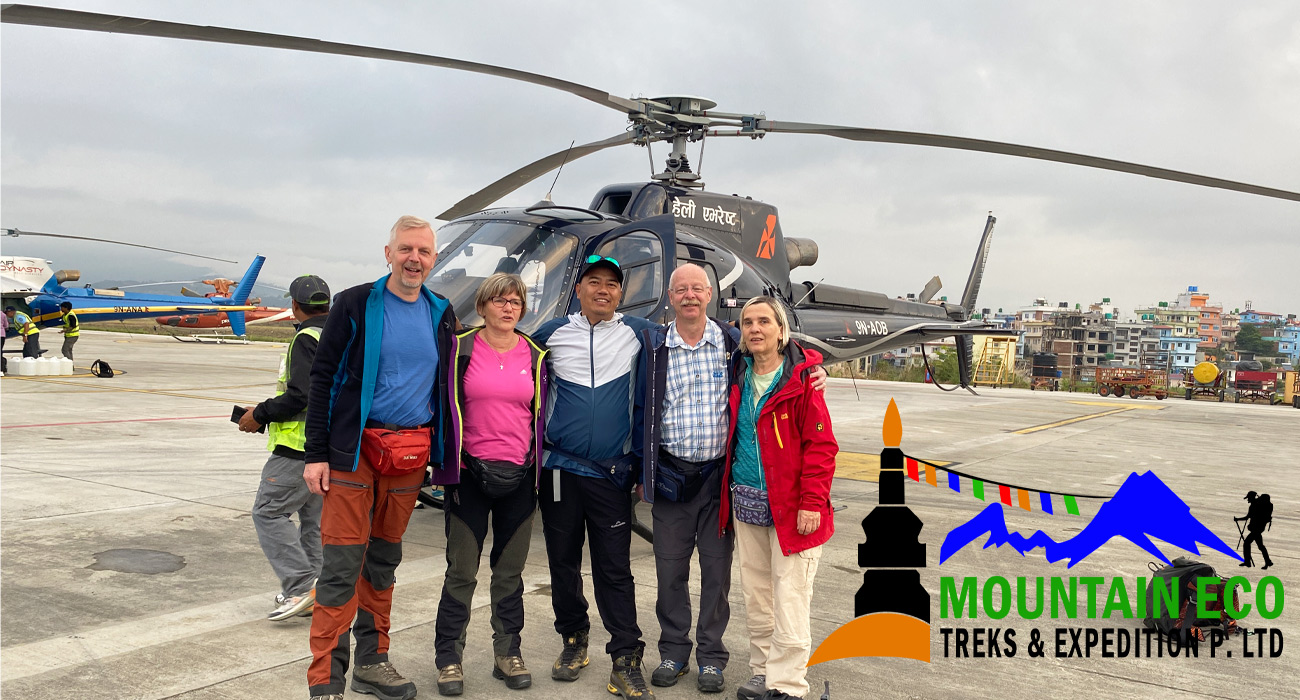
The road to Everest Base Camp is not just a path through the mountains. It is a journey through a place where people, nature, and tradition are closely connected.
The Everest Base Camp Trek With Helicopter Return gives travelers time to experience that world on foot before ending the adventure with a flight above the Himalayas.
Along the way, the trail passes through Sherpa communities, old monasteries, forest paths, stone-built homes, and high mountain valleys. Each part of the route has something different to notice.
Where the Mountain Journey Begins
The trek usually begins after reaching the Everest region by air.
The first views can feel almost unreal. Tall mountains rise around small settlements, while narrow trails lead deeper into the Khumbu Valley.
At this stage, it is easy to feel excited and want to walk quickly. That is exactly what you should avoid.
Let the First Days Feel Easy
The early part of a high-altitude trek is about adjustment.
Walk at a comfortable speed. Stop when you need to. Enjoy the surroundings instead of thinking only about the next destination.
A slow start can help you save energy for the harder days ahead.
Walking Through Sherpa Communities
One of the best parts of the Everest region is meeting the landscape through its people.
Sherpa villages have their own look and rhythm. Stone houses sit against steep hillsides. Colorful prayer flags move in the wind. Prayer wheels line parts of the trail.
You may see local people carrying supplies, children heading to school, or trekkers resting outside small tea houses.
The Trail Is Part of Daily Life
For visitors, the path is an adventure.
For local communities, many of these routes are part of everyday life.
That difference is worth remembering. The mountain trail is not an attraction built only for tourists. It connects homes, villages, monasteries, and trading areas.
Respecting local customs makes the experience better for everyone.
A Day Around Namche Bazaar
Namche Bazaar is one of the most famous stops in the Everest region.
Its curved shape, busy lanes, shops, cafes, and mountain views make it feel very different from the smaller settlements below.
Many trekkers spend extra time here before going higher.
Why Rest Days Matter
A rest day does not mean doing nothing.
You can take a short walk, explore the town, enjoy the views, or simply give your body time to adjust.
This is important because altitude becomes a bigger concern as you climb.
Trying to save time by skipping needed rest can create bigger problems later.
Following the Trail Toward Tengboche
After Namche, the surroundings slowly begin to change.
The trail moves through forests and open hills before reaching areas with wider mountain views.
Tengboche is one of the memorable places along the route.
Its monastery sits in a peaceful mountain setting, with peaks rising in the distance.
A Quiet Place Above the Valley
The monastery adds a different feeling to the trek.
Instead of focusing only on distance and altitude, you get a chance to slow down and observe the local culture.
The sound of wind, prayer flags, and distant mountain scenery can make the stop feel far removed from normal city life.
The Higher Trail Demands Patience
After Tengboche, the environment becomes more rugged.
Trees become fewer. The temperature drops. Rocky paths and exposed hills replace much of the lower greenery.
At this point, the Everest Base Camp Trek With Helicopter Return becomes more physically demanding.
The best approach is simple: do not rush.
Small Steps Work Better
At high altitude, your normal walking speed may no longer feel comfortable.
Take shorter steps when needed. Keep your breathing steady. Rest before you become completely exhausted.
A trekker who moves slowly but consistently often has a better experience than someone who pushes too hard early in the day.
What You Notice Near the High Valleys
The higher you go, the more dramatic the surroundings become.
Snow-covered mountains appear larger. Glacial areas become more visible. The landscape feels rougher and quieter.
The trail may pass through rocky sections where there is little shelter from the wind.
This is where warm clothing and good planning become especially useful.
The Cold Changes Your Routine
Simple tasks can take more effort in cold conditions.
You may want to keep your gloves, jacket, and hat within easy reach instead of buried inside your bag.
A warm drink during a break can also feel far more valuable than it would at home.
These small details become part of the trekking experience.
The Moment You Reach Everest Base Camp
Eventually, the trail brings you to Everest Base Camp.
The surroundings are powerful because of their scale. Huge mountains and rugged terrain surround the area, while the glacier and rocky landscape remind you how far you have traveled.
The moment may feel exciting, peaceful, or even a little strange.
Take Time to Look Around
Do not make the visit only about photographs.
Look at the peaks. Notice the glacier. Think about the villages and trails you passed during the previous days.
You have reached a place that many people only ever see in pictures.
That deserves more than a quick stop.
Leaving the Trail From the Sky
The return part of the Everest Base Camp Trek With Helicopter Return brings a major change.
Instead of spending several more days retracing the trail, you can return by helicopter when conditions allow.
The flight gives you a completely new way to understand the region.
Watch the Trail Disappear Below
The path that once looked long and difficult becomes a thin line from above.
Villages shrink into small clusters. Rivers cut through deep valleys. Mountain walls rise on every side.
It can be surprising to see how much ground you covered on foot.
The flight turns the return trip into part of the experience rather than simply transportation.
Smart Planning Still Matters
A helicopter return is convenient, but mountain travel always requires flexibility.
Weather can change quickly. Flight operations depend on safe conditions, and delays can happen.
For that reason, travelers should avoid planning important onward connections with almost no spare time.
Keep Your Schedule Flexible
A little extra time can prevent a lot of stress.
If the weather causes a delay, having a buffer is much better than worrying about missing an international flight.
Good planning does not remove every problem. It gives you room to handle problems when they happen.
More Than a Trek to a Famous Place
The Everest Base Camp Trek With Helicopter Return is not simply about reaching a famous point on a map.
It lets you experience Sherpa culture, mountain trails, changing landscapes, high-altitude life, and the huge scale of the Himalayas.
Then, instead of slowly walking back through the same valleys, you rise above them and see the entire journey from another angle.
That combination makes the trip feel different from a standard return trek.
Frequently Asked Questions
What makes the Everest region special?
Its combination of high mountains, Sherpa culture, monasteries, villages, glaciers, and traditional trekking routes makes the region unique.
Is Namche Bazaar worth exploring?
Yes. It is an important stop for both acclimatization and experiencing local mountain life.
How can trekkers handle the higher altitude?
Walking slowly, taking proper rest, staying hydrated, and following good acclimatization practices are important.
What happens if the helicopter cannot fly?
Flight operations may be delayed until conditions become safe. Travelers should keep their plans flexible.
Why choose a helicopter return instead of walking back?
The main advantage is time. You can complete the walking portion and avoid spending several additional days retracing the route on foot.